Private
Private charter
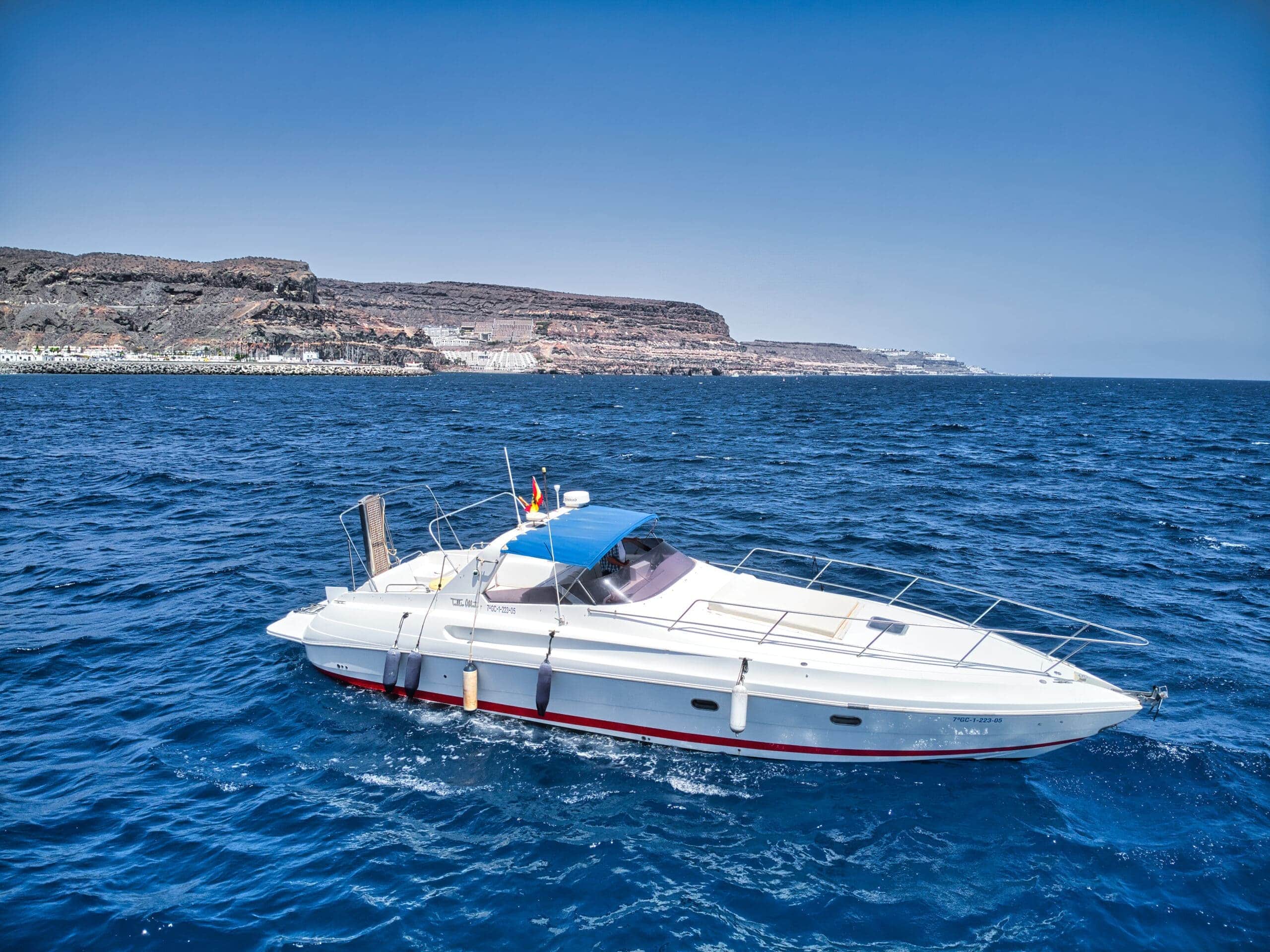
Private boat charter in Gran Canaria on the Malu V
Skipper included No licence needed
from€150/ boat
Forget the month. What matters is the wind, the swell and the time of day — and which side of the island you sail from.
People often ask us which month is best for a boat trip in Gran Canaria, expecting a single answer. The honest reply is that the island’s climate allows sailing all year round, and that the difference between a perfect day and a disappointing one depends far more on the day itself than on the calendar. You can have a glorious outing in the middle of winter and a bumpy one in high summer.
That is why we do not publish monthly statistics or promise that one season is always better than another. Instead, here are the things that actually shape the sea off Gran Canaria, so you can read the forecast like a skipper and pick your moment.
The dominant weather feature in the Canaries is the north-east trade wind, the alisio. It blows across the islands for much of the year, piling cloud against the northern slopes and whipping up the sea on the exposed north and east coasts. That is why Las Palmas, in the north-east, can be grey and breezy while the south is basking in sunshine.
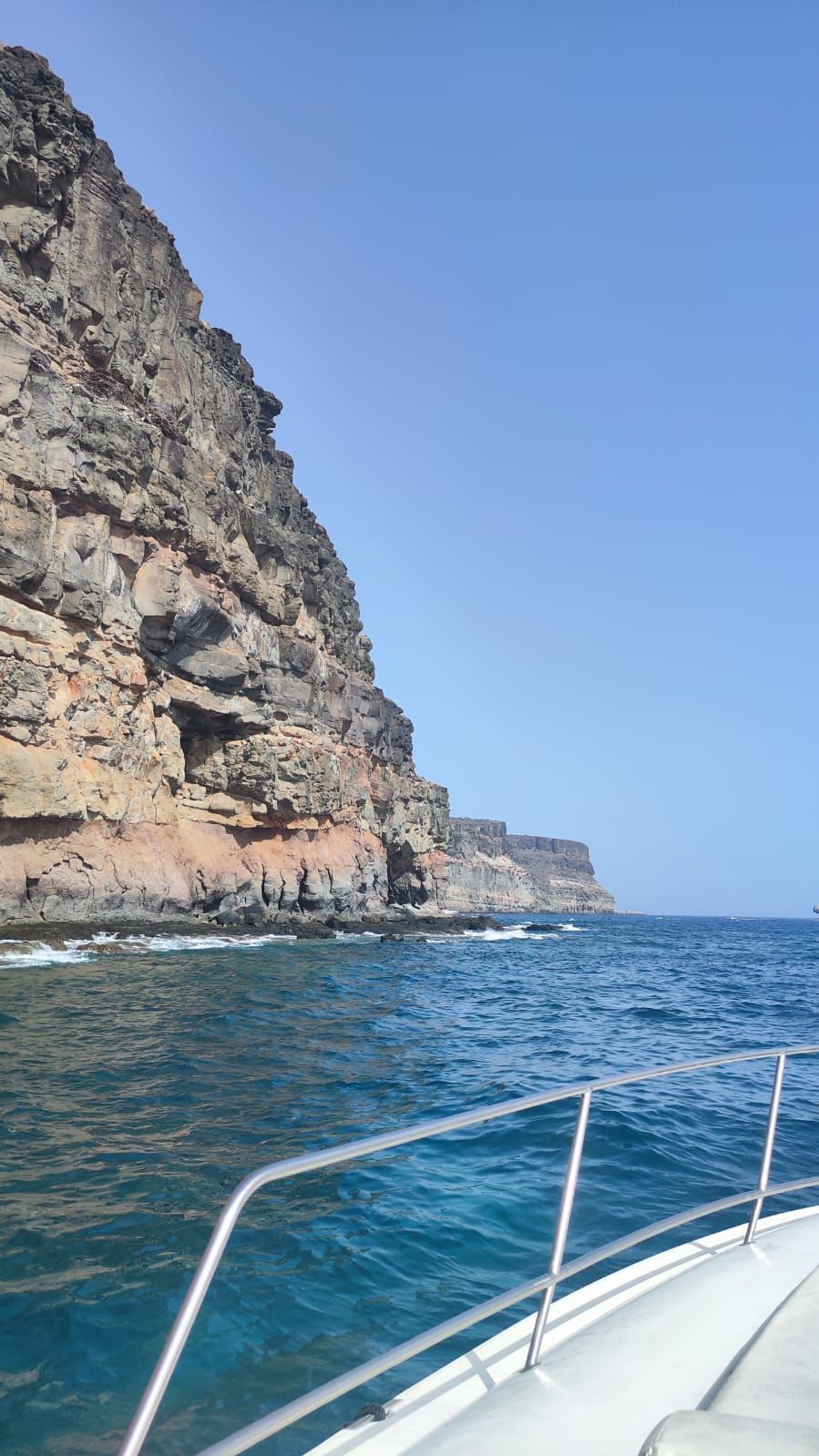
Gran Canaria’s mountainous centre acts as a shield. The south and, especially, the south-west sit on the lee side of the island, sheltered from the trade winds. The result is usually calmer water and clearer skies, which is why most of the island’s boat trips, ours included, sail from this side. It is not a guarantee of flat seas, but it tilts the odds heavily in your favour.
As a general tendency, the sea on this coast is often at its calmest earlier in the day. As the land warms up, a breeze commonly builds through the afternoon and the surface gets more lively. If you are nervous about motion sickness, or you particularly want glassy water for snorkelling, a morning departure is often a sensible choice.
Afternoons have their own attractions, though. The light softens, the cliffs glow, and later in the day the sun drops towards the western horizon, which is why sunset cruises are so popular. Treat the morning-calm rule as a tendency, not a law: some afternoons are flat and some mornings are not.
Two other things can change the picture. The first is calima, when dust from the Sahara drifts over the islands. The sky turns hazy and yellowish, visibility drops, and the air can feel heavy. A mild episode is merely less photogenic; a strong one can make being at sea unpleasant, and it reduces visibility underwater too.
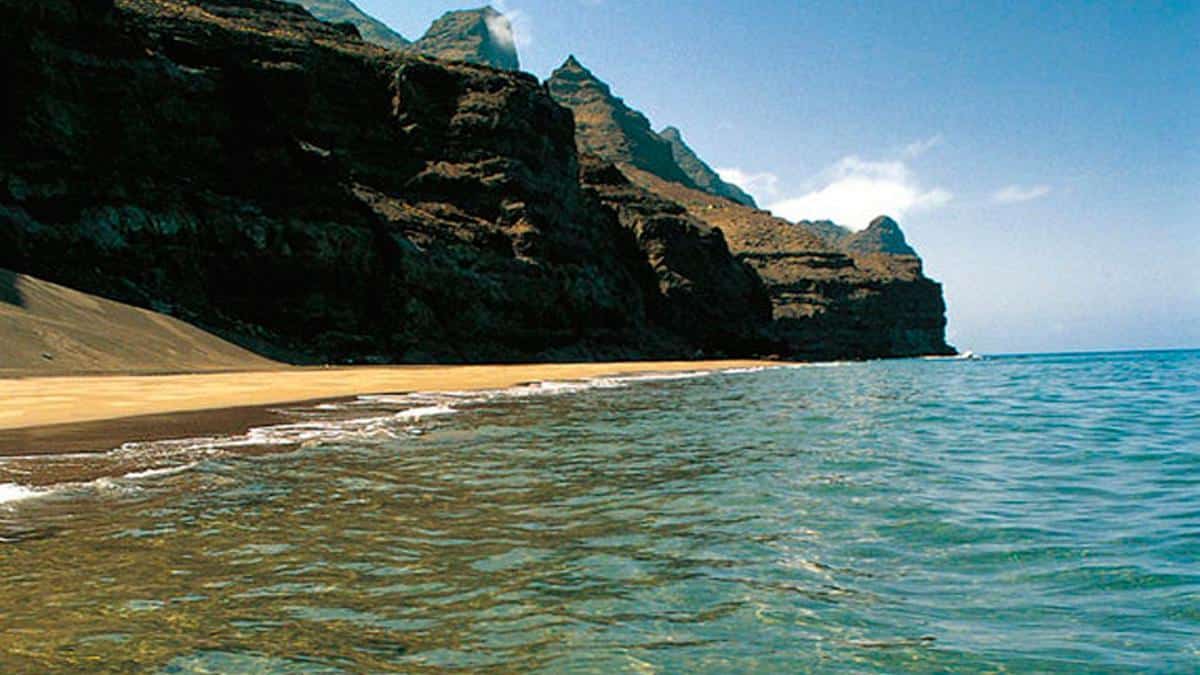
The second is swell, waves generated by storms far out in the Atlantic. Swell can arrive on a calm, sunny day, which surprises many visitors. It matters especially for exposed spots such as Güigüí, where it can make approaching the beach or swimming unsafe.
Every trip starts with the skipper looking at the forecast and at the sea itself. If swell, wind or calima make it unsafe or genuinely unpleasant, we postpone or cancel, sometimes on the morning itself, and we tell you as early as we can. That is why we ask for a phone number when you book: a message is more likely to reach you in time than an email.
The practical advice, then, is simple. Book early in your holiday rather than on your last day, so there is room to move the trip if the weather has other ideas. And if you have a choice of time, a morning slot on a calm-looking day is hard to beat.
There is no single best month: the climate allows sailing all year. The wind and swell on the day matter far more.
Often, yes, because a breeze commonly builds in the afternoon. It is a tendency rather than a rule, though.
Dust from the Sahara carried over the Canaries. It makes the sky hazy and can reduce visibility, and strong episodes can make a trip unpleasant.
The south-west is on the lee side of the island, sheltered from the north-east trade winds, so the sea is usually calmer and the sky clearer.
We offer another date or cancel the booking, and we contact you as early as possible.